
Requirements for Foreigners to Open a Company in Vietnam
- 04/06/2026


 CONTENT
CONTENT
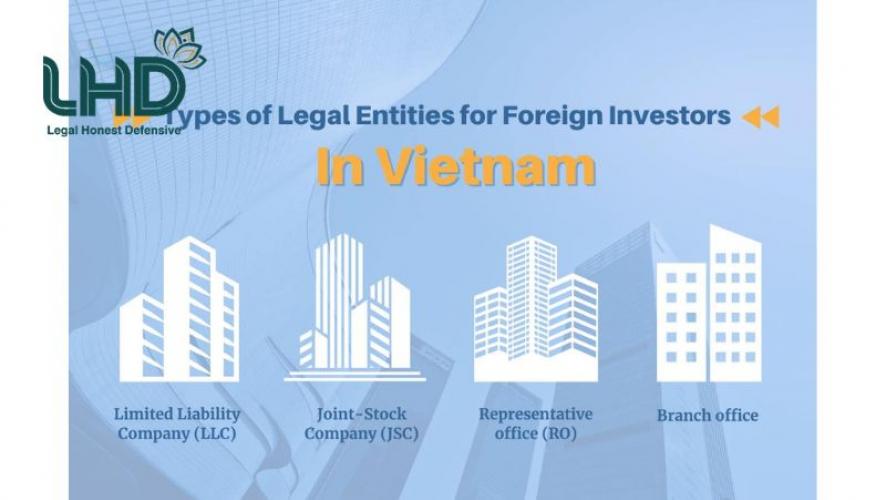
Can Foreigners Open a Company in Vietnam?
Yes. Foreign individuals and foreign companies are legally allowed to establish businesses in Vietnam.
Depending on the business sector and investment structure, foreigners may:
-
Establish a 100% foreign-owned company
-
Form a joint venture with a Vietnamese partner
-
Purchase shares in an existing Vietnamese company
-
Invest through mergers and acquisitions (M&A)
Vietnam's investment framework is governed primarily by:
-
Law on Investment
-
Law on Enterprises
-
WTO Commitments
-
International Trade Agreements
-
Industry-specific regulations
Who Qualifies as a Foreign Investor?
Under Vietnamese law, the following entities are generally considered foreign investors:
Foreign Individuals
Individuals holding non-Vietnamese citizenship.
Foreign Organizations
Companies legally incorporated outside Vietnam.
Foreign-Invested Enterprises
Vietnamese companies with foreign ownership may also be classified as foreign-invested enterprises (FIEs) depending on ownership structure and control.
Requirement 1: Eligible Business Activities
Before opening a company, investors must determine whether their intended business activities are open to foreign investment.
Vietnam divides business sectors into three categories:
Open Business Sectors
Most service, trading, manufacturing, and technology activities are open to foreign investors.
Examples include:
-
Software development
-
Consulting services
-
Manufacturing
-
Export and import activities
-
Marketing services
Conditional Business Sectors
Certain industries require additional approvals or compliance conditions.
Examples include:
-
Education
-
Logistics
-
Real estate
-
Healthcare
-
Advertising
-
Telecommunications
Restricted Business Sectors
Some sectors remain partially restricted or subject to ownership limitations.
Examples may include:
-
Aviation
-
Media and publishing
-
National defense-related activities
Investors should verify market access conditions before proceeding with registration.
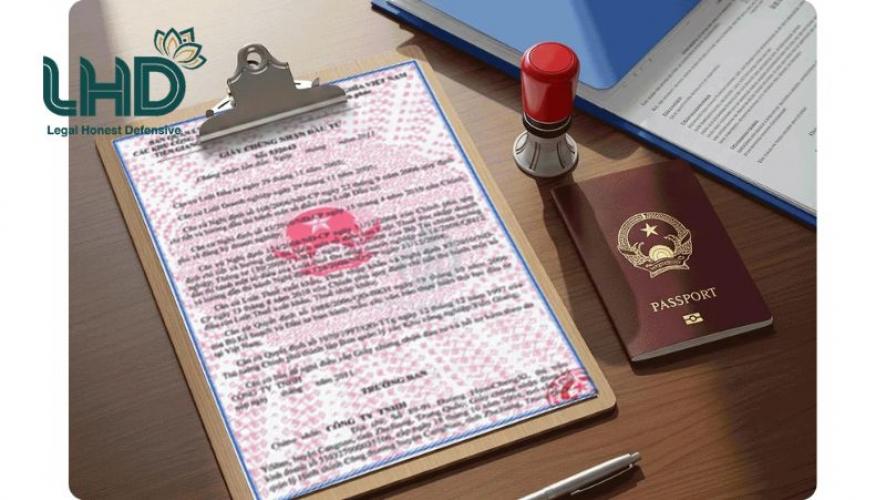
Requirement 2: Valid Identification Documents
For Individual Investors
Required documents generally include:
-
Valid passport
-
Passport notarization
-
Bank statement or proof of financial capacity
-
Residential address information
For Corporate Investors
Required documents generally include:
-
Certificate of Incorporation
-
Business Registration Certificate
-
Articles of Association
-
Board Resolution approving the investment
-
Audited Financial Statements
Foreign corporate documents typically require:
-
Notarization
-
Consular legalization
-
Certified Vietnamese translation
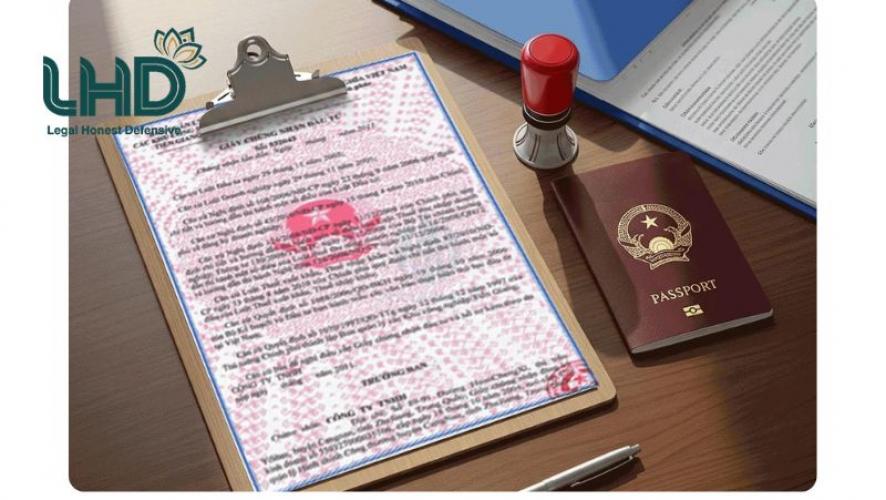
Requirement 3: Investment Registration Certificate (IRC)
For most foreign direct investment projects, obtaining an Investment Registration Certificate (IRC) is mandatory.
The IRC contains information such as:
-
Investor details
-
Investment objectives
-
Business activities
-
Project location
-
Charter capital
-
Investment duration
When Is an IRC Required?
An IRC is generally required when:
-
Establishing a new foreign-owned company
-
Creating a joint venture
-
Implementing an investment project
Certain investment structures may qualify for simplified procedures.
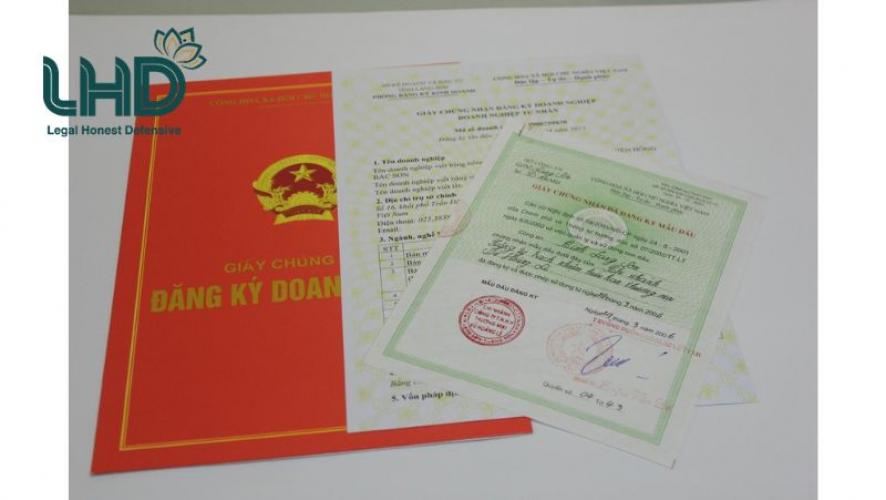
Requirement 4: Enterprise Registration Certificate (ERC)
After receiving the IRC, investors must apply for an Enterprise Registration Certificate.
The ERC officially establishes the company as a legal entity in Vietnam.
The ERC includes:
-
Company name
-
Enterprise code
-
Registered office address
-
Legal representative
-
Charter capital
-
Business lines
Without an ERC, a company cannot legally operate in Vietnam.
Requirement 5: Registered Business Address
Every company must maintain a valid registered office.
The address must:
-
Be physically located in Vietnam
-
Have legal occupancy rights
-
Be suitable for business registration
Can a Residential Apartment Be Used?
Generally, apartments designed solely for residential purposes cannot be used as company headquarters.
Investors typically use:
-
Commercial offices
-
Serviced offices
-
Industrial facilities
-
Approved business premises
Requirement 6: Charter Capital
Vietnam does not impose a universal minimum capital requirement for most industries.
However, authorities evaluate whether the proposed capital is sufficient for the company's intended activities.
Factors Considered
Authorities may review:
-
Business scale
-
Industry sector
-
Number of employees
-
Office costs
-
Operating expenses
Examples
Service companies often register modest capital levels, while manufacturing projects typically require significantly larger investments.
Requirement 7: Proof of Financial Capacity
Foreign investors must demonstrate sufficient financial resources to support the proposed investment.
Acceptable evidence may include:
Individual Investors
-
Bank statements
-
Savings certificates
-
Investment portfolio documentation
Corporate Investors
-
Audited financial reports
-
Parent company guarantees
-
Bank confirmations
Financial documentation should align with the proposed investment size.
Requirement 8: Legal Representative
Every Vietnamese company must appoint at least one legal representative.
The legal representative has authority to:
-
Sign contracts
-
Represent the company before authorities
-
Manage legal obligations
-
Execute corporate decisions
The representative may be:
-
Vietnamese citizen
-
Foreign national
Many foreign-owned companies appoint a foreign director as legal representative.
Requirement 9: Compliance with Foreign Ownership Rules
Foreign ownership restrictions vary by industry.
Examples include:
100% Foreign Ownership Permitted
-
IT services
-
Manufacturing
-
Consulting
-
Software development
Partial Ownership Restrictions
Some sectors may require:
-
Vietnamese partners
-
Ownership caps
-
Additional licensing approvals
Proper legal review is essential before selecting an investment structure.
Requirement 10: Post-Licensing Compliance
Opening a company is only the first step.
Foreign-owned companies must comply with ongoing obligations.
Tax Registration
Companies must:
-
Register tax information
-
Obtain electronic invoicing approval
-
Submit tax declarations
Accounting Requirements
Vietnamese accounting regulations require businesses to maintain proper books and records.
Labor Compliance
Employers must comply with:
-
Labor contracts
-
Social insurance
-
Payroll reporting
Annual Reporting
Certain foreign-invested enterprises must submit investment reports to authorities.
Failure to comply may result in penalties.
Common Challenges Faced by Foreign Investors
Understanding Market Access Conditions
Many investors underestimate the complexity of foreign ownership rules.
Document Legalization
Consular legalization often causes delays if not planned properly.
Choosing the Correct Business Structure
The wrong structure can increase regulatory burdens and costs.
Licensing Delays
Incomplete applications frequently result in requests for amendments.
Professional guidance helps avoid these issues.
Why Work with a Company Formation Consultant?
Professional advisors can assist with:
-
Investment planning
-
Ownership structure analysis
-
Licensing procedures
-
Tax registration
-
Ongoing compliance
Benefits include:
-
Faster approval times
-
Reduced legal risks
-
Better investment structuring
-
Long-term compliance support
Frequently Asked Questions
Can a Foreigner Own 100% of a Company in Vietnam?
Yes, in many sectors, foreign investors may own 100% of the company.
Is a Vietnamese Partner Required?
Not always. Requirements depend on the industry and applicable market access conditions.
How Much Capital Is Needed?
There is no universal minimum amount for most industries, but capital must be sufficient for the proposed business activities.
How Long Does Registration Take?
Most foreign-invested companies require approximately 20–45 working days depending on project complexity.
Conclusion
Foreigners can successfully open a company in Vietnam provided they comply with investment regulations, licensing procedures, and industry-specific conditions.
Understanding requirements related to ownership, capital, licensing, business sectors, and compliance obligations is essential for a smooth registration process. By planning carefully and obtaining professional support when necessary, investors can establish a strong legal foundation for long-term business success in Vietnam.
For a complete overview of the registration process, read our guide: Set Up Company in Vietnam.
Send comment
Others Post





+68889+
+16889+
+39+
3+
0 comment