
Opening a corporate bank account in Vietnam, without the wrong turns
- 03/08/2026

 CONTENT
CONTENT
The certificate arrives. The company is officially registered. Then someone asks where the charter capital is supposed to land, and the answer isn't obvious yet. This happens more often than founders expect, and it's exactly why a corporate bank account Vietnam authorities recognize as compliant needs attention before incorporation wraps up, not after.
Most first-time investors assume one account covers everything. It doesn't.

Two accounts, two different jobs
Every foreign-invested enterprise needs at least two accounts, and mixing up their purpose is the single most common mistake we see.
The first is a direct investment capital account, known as a DICA. This is where charter capital flows in from abroad, where profit gets repatriated, and where capital-related loan transactions pass through. A company can only hold one DICA, and it has to sit at a single licensed bank.
The second is a current account, usually in Vietnamese dong. Salaries, supplier payments, tax remittances, day-to-day receipts from customers - all of that runs through here instead.
Confuse the two and things get messy fast. Route operating expenses through a DICA, or vice versa, and the transaction record won't match what auditors expect to see. Regulators can fine companies between 30,000,000 and 50,000,000 VND for DICA misuse alone, which is a steep price for what usually starts as a simple bookkeeping shortcut.
A scenario that plays out often
A manufacturing client once transferred a supplier payment straight out of their DICA because it was the only account funded at the time. Small decision, made under time pressure. It surfaced eighteen months later during a routine audit, and untangling the paper trail took longer than opening the account had in the first place.
The lesson isn't complicated. Fund the current account early, even before it's strictly needed, so nobody reaches for the capital account out of convenience.
What the bank will actually ask for
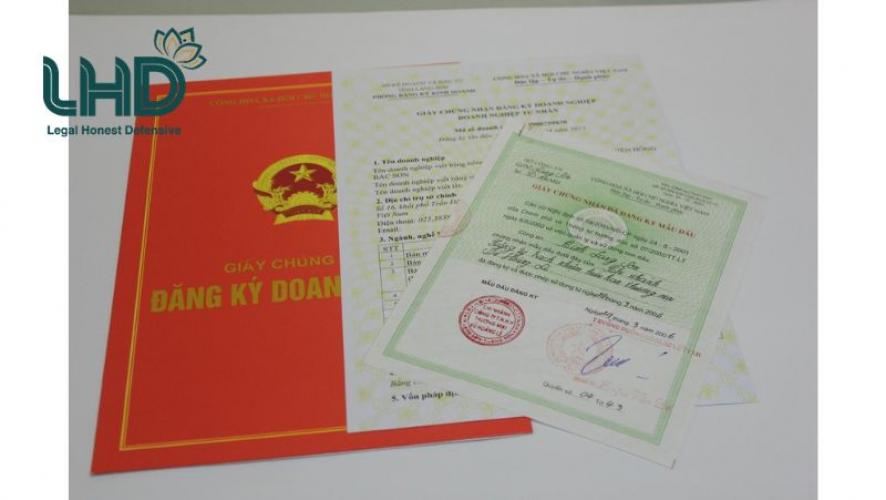
Documentation requirements vary slightly by bank, but the core list stays consistent: the Enterprise Registration Certificate, the Investment Registration Certificate, the company seal registration, tax code confirmation, and identification for both the legal representative and the chief accountant. If someone other than the legal representative is handling the application, a notarized authorization needs to go in the file too.
Banks in Vietnam process these applications at noticeably different speeds. Some clear a straightforward application within a week. Others, particularly for companies in more heavily regulated sectors, take considerably longer - not because the paperwork is harder, but because internal compliance review adds extra steps.
A logistics company we worked with learned this the hard way. Their business line touched transport licensing, which triggered an extra round of internal bank review nobody had flagged in advance. The account opened fine in the end, but the three-week delay pushed back their first supplier payment and forced an awkward conversation about payment terms.
Choosing where to bank

This part gets skipped too often. Founders default to whichever bank their lawyer mentions first, or whichever brand feels familiar from home.
A better approach: talk to at least three banks before committing. Ask about account opening timelines, English-language support, online banking quality, international transfer fees, and how comfortable the relationship manager actually is with FDI transactions specifically - not every branch handles foreign-invested company accounts regularly, even at large banks.
Consider a technology startup weighing a global bank against a domestic one. The global bank offered smoother international transfers and English-speaking staff. The domestic bank moved faster on approval and had lower fees for local payroll transactions. Neither choice was wrong. The right answer depended entirely on where the company's cash flow was actually going to concentrate.
It's also worth asking each bank directly how many FDI accounts their branch handles in a typical month. A branch that processes dozens understands the nuances - capital verification, currency rules, repatriation requests - far better than one that sees an FDI application once a quarter. That familiarity often matters more than brand size.
The 90-day capital deadline
Once the Enterprise Registration Certificate is issued, the clock starts. Charter capital must be fully contributed through the DICA within 90 days. Miss that window and the company risks penalties, plus a harder conversation with the bank about why the contribution came in late.
This deadline surprises people who assume they have flexible timing to move funds internationally. Ninety days sounds generous until wire transfers, currency conversion, and internal approvals from an overseas parent company eat into it. Building in a buffer of a few weeks, rather than planning right up to the deadline, tends to save a lot of last-minute stress.
Setting the account up so it actually works for you
A bank account isn't just a compliance box to check. It shapes how quickly a company can pay suppliers, how easily it can move money internationally, and how audit-ready its records look a year down the line. Getting the structure right at the start, as part of the broader process our 10-step legal roadmap for establishing a foreign-invested enterprise walks through, saves a lot of cleanup later.
Banking sits close to every other early-stage decision - capital structure, tax registration, even Vietnam company formation itself. Treating it as an afterthought is where most of the friction we see actually starts.
A last word before you pick up the phone
Every bank has its own quirks, and every industry carries slightly different compliance expectations once accounts are open. What works cleanly for a trading company may need adjustment for a manufacturer or a services firm. LHD Law Firm has walked foreign investors through exactly this stage of setup across Ho Chi Minh City, Ha Noi and Da Nang since 2007 - reach out below before you sit down with a bank, and the conversation tends to go a lot smoother.
Send comment
Others Post








+68889+
+16889+
+39+
3+
0 comment