
How long does IRC processing take in Vietnam?
- 09/08/2026
 CONTENT
CONTENT
"How fast can we open?" It's the first question almost every foreign investor asks, and it's the hardest one to answer honestly. IRC processing time Vietnam authorities quote on paper rarely matches what happens in practice, and the gap between the two is where a lot of launch plans quietly fall apart.
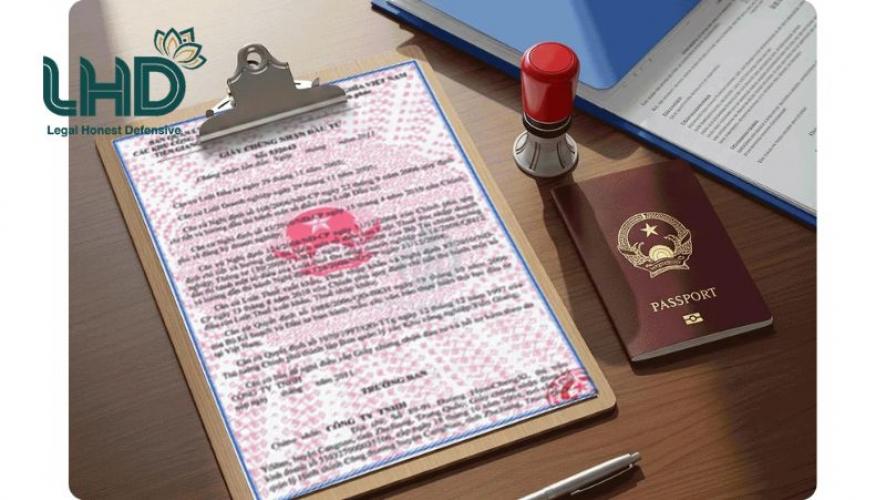
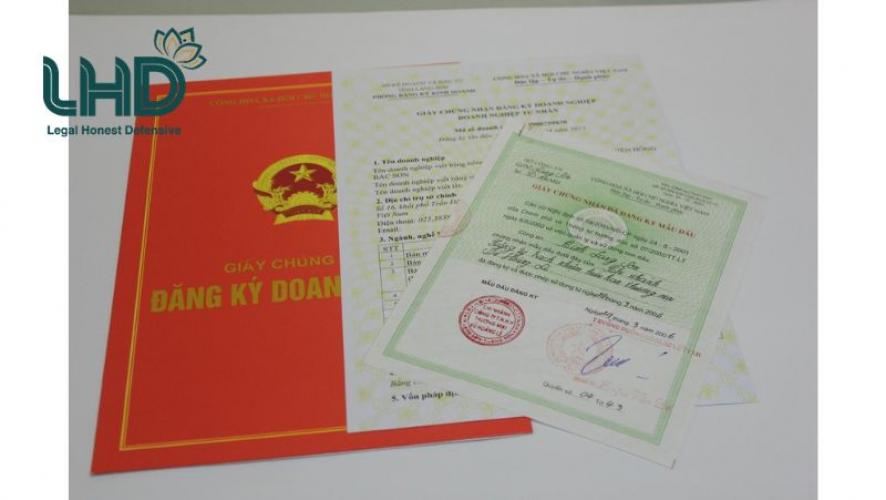
Two certificates stand between an idea and a functioning company: the Investment Registration Certificate (IRC) and the Enterprise Registration Certificate (ERC). They're issued by different authorities, they check different things, and they don't move at the same speed. Anyone working through the process to set up company in Vietnam needs to understand both, separately, before a launch date gets locked in.

The statutory clock versus the real clock
On paper, the IRC is supposed to take about 15 working days from a complete file. The ERC, once the IRC is in hand, typically takes 3 to 5 working days. Add them up and you get roughly three weeks. Clean, simple, predictable.
In practice, "complete file" is doing a lot of heavy lifting in that sentence. Provincial investment departments routinely send back requests for clarification, additional supporting documents, or revised financial projections. Each round of back-and-forth resets part of the clock, and there's no hard cap on how many rounds can happen.
What actually determines your timeline
The sector matters more than the paperwork quality
A straightforward trading or consulting company, with no conditional business lines, tends to move close to the statutory 15-day window. A manufacturing project requiring environmental impact assessment, or a project touching education, healthcare, or real estate, almost never does. These sectors trigger additional inter-agency consultation before the investment authority signs off, and that consultation isn't bound by the same 15-day clock.
Capital source documentation
Authorities want proof that the charter capital is real and traceable. Bank statements, audited financial reports of the parent company, sometimes a letter of financial capacity from a bank. Investors who assemble this upfront move faster. Investors who submit a bare-bones application and expect to patch gaps later almost always lose weeks doing exactly that.
Provincial variation
Ho Chi Minh City, Ha Noi, and Binh Duong process high volumes and generally have more predictable, if sometimes slower, queues. Smaller provinces can move faster on paper but occasionally lack officers experienced with less common investment structures, which can itself cause delays through unfamiliarity rather than complexity.
Two contrasting timelines, side by side

A trading company from South Korea, registering a straightforward wholesale distribution business with clean, well-organized capital documentation, received its IRC in 18 working days and its ERC four days after that. Total: under a month, close to the textbook timeline.
Compare that to a manufacturing investor setting up a factory that required an environmental protection plan and land-use clearance alongside the IRC application. The IRC itself took closer to 10 weeks, not because the application was poorly prepared, but because environmental review sits outside the investment authority's control and depends on a separate agency's schedule. The ERC, once the IRC finally issued, still only took a few days. The bottleneck was never the enterprise registration step. It was everything feeding into the IRC.
That's a pattern worth internalizing: ERC delays are rare. IRC delays are common, and they're almost always driven by something outside standard company formation paperwork. For a closer look at what the application itself needs to include, the Investment Registration Certificate guide breaks down the documents authorities check most closely before they even start the clock.
A note on foreign-invested versus wholly domestic setups
None of this timeline discussion applies if you're a 100% Vietnamese-owned company. Domestic investors skip the IRC step entirely and go straight to ERC registration, which is why local company formation often genuinely does take under a week. The IRC requirement exists specifically because foreign capital triggers a different layer of investment-law review, one that domestic founders never encounter.
Practical ways to shorten the wait
- Prepare capital verification documents before filing, not after a request comes in. Reactive submissions add weeks, proactive ones rarely do.
- Choose a business line and NACE/VSIC code carefully. Ambiguous classification invites clarification requests.
- If the project touches a conditional sector, start the sector-specific approval track in parallel, rather than waiting for the IRC to issue first.
- Work with someone who has filed in that specific province recently. Local officer expectations shift, and outdated templates cause more delays than people expect.
Building a schedule around the certificate, not the calendar
Founders under pressure to hit a fixed launch date tend to make the same mistake: they treat the statutory 15-day window as a promise rather than a floor. It's neither. It's a starting estimate for the cleanest possible file in the simplest possible sector.
A more realistic approach starts from the business line and works backward. If you're planning a launch within a manufacturing or conditional sector, budget two to three months for the IRC stage alone, and treat anything faster as a pleasant surprise rather than the baseline.
Timelines in Vietnam reward investors who front-load the hard questions. Ask about environmental review, capital documentation, and sector-specific consultation before filing, not after the first request for clarification lands in your inbox.
If you'd rather have someone benchmark your specific project against realistic provincial timelines before committing to a launch date, LHD Law Firm has filed IRC and ERC applications across manufacturing, trading, and services sectors since 2007 and can flag likely delay points before they cost you a quarter.
Send comment
Others Post






+68889+
+16889+
+39+
3+
0 comment