
Foreign investment mistakes Vietnam investors keep repeating
- 09/08/2026

 CONTENT
CONTENT
Most foreign investors don't fail in Vietnam because the market turns against them. They stumble over paperwork, wrong assumptions, and decisions made too fast in the first 90 days. Foreign investment mistakes Vietnam newcomers make tend to follow a familiar pattern, and almost all of them are avoidable if someone flags the risk before the ink dries. A rushed decision on set up company in Vietnam procedures at the start often becomes the very thing that slows an investor down 6 months later.
Here's the thing nobody tells first-time investors upfront: Vietnam's legal system rewards precision. Miss one detail on a filing, and the whole timeline resets. Get the fundamentals right, and licensing moves faster than in most neighboring markets.

Choosing the wrong entity type before understanding the business
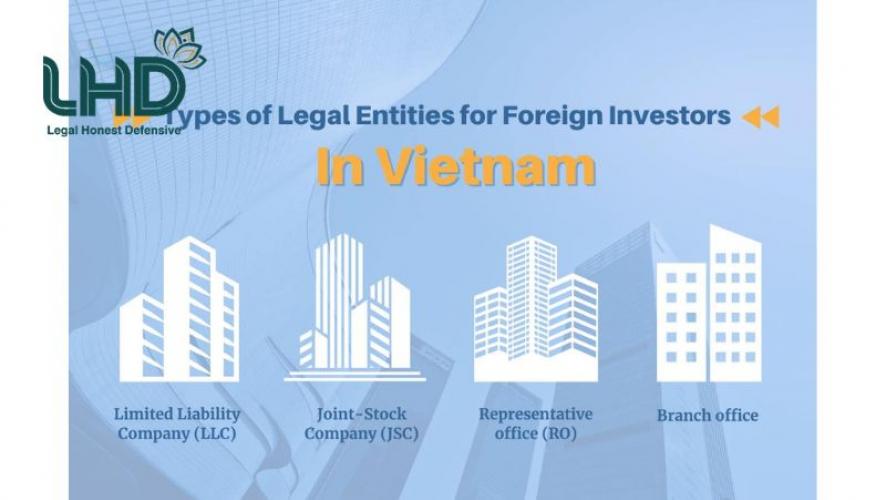
A lot of investors default to whatever structure their consultant back home suggests, without checking whether it fits Vietnamese rules. Limited liability companies suit a single owner or a small group of investors who want tight control. Joint stock companies work better once you're planning to raise capital from multiple shareholders or eventually list.
One investor from South Korea set up an LLC intending to bring in outside shareholders within a year. It worked, technically, but converting the entity later meant re-drafting the charter, re-issuing capital contribution certificates, and losing 2 months to paperwork that could have been avoided with the right structure from day one.
Underestimating the registered office requirement
This one surprises people constantly. Vietnamese law is specific about where a company can be headquartered, and residential buildings without commercial zoning generally don't qualify. Investors sign a lease, submit the application, and then wait weeks while the registration office flags the address as ineligible.
It's a small detail with outsized consequences. Verifying a building's function code takes an afternoon. Fixing a rejected filing takes considerably longer.
Treating charter capital as a formality
Charter capital isn't just a number typed into a form. It signals financial credibility to the licensing authority, and in practice, undercapitalized entities get more scrutiny during the investment registration stage. Some investors declare a low figure to minimize upfront transfer costs, not realizing that authorities may question whether the stated capital can actually support the proposed business scope.
There's also a timing trap. Charter capital contributions must generally be completed within 90 days of incorporation. Investors who assume they can wire funds "whenever cash flow allows" often find themselves in breach of that deadline without noticing until an audit or bank inquiry surfaces it.
Appointing a legal representative without checking residency rules
Every Vietnamese company needs at least 1 legal representative residing in Vietnam. Investors sometimes appoint an overseas parent-company executive as the sole representative, assuming it's just a formality on paper. It isn't. If that person can't be physically present when the tax office, bank, or labor department requires in-person action, the company effectively stalls.
A cleaner approach: appoint a local representative, or a trusted staff member on the ground, alongside the overseas executive, so day-to-day matters don't wait on someone's flight schedule.
Skipping proper legal review of leases and joint venture agreements

This is where things get expensive. A retail investor signed a 5-year lease drafted entirely by the landlord, assuming standard market terms. Buried in clause 14 was a unilateral rent escalation the landlord could trigger annually, well above what local law typically allows for negotiated commercial leases. By the time the investor noticed, they'd already paid a deposit and signed.
Joint venture agreements carry similar risk. Vague profit-sharing language, unclear dispute resolution mechanisms, or missing exit provisions tend to surface only once a disagreement actually happens, and by then negotiating leverage has usually shifted.
Ignoring post-licensing compliance obligations
Getting the Enterprise Registration Certificate feels like the finish line. It's actually the starting gate. Annual financial statement audits, periodic FDI reporting, invoice regulations, and labor compliance all kick in immediately, and none of them are optional just because a company is small or newly formed.
Foreign-invested enterprises that treat these as "next year's problem" often accumulate late filings that compound into penalties, and in some cases, complications when they eventually try to repatriate profits.
A pattern worth noticing
Look closely at these mistakes and a theme emerges: almost none of them come from bad intentions. They come from applying assumptions from another country's legal system onto Vietnam's, or from moving fast without a local sounding board. Compare that against the process outlined for Vietnam company formation, where cost planning and structural decisions are meant to happen together rather than sequentially, and it becomes clear why rushing any single piece tends to create friction elsewhere in the file.
Investors who avoid these traps generally share one habit. They ask a local advisor to review documents before signing, not after something goes wrong. That single step changes the outcome more often than any amount of due diligence done from abroad.
If you're weighing entity structure, office location, or a lease that feels slightly off, it's worth having someone check it against Vietnamese law before committing. LHD Law Firm has advised foreign investors on company formation and compliance in Vietnam since 2007, and can flag these issues before they turn into delays.
Send comment
Others Post






+68889+
+16889+
+39+
3+
0 comment