
Cost of setting up a company in vietnam
- 04/06/2026


 CONTENT
CONTENT
Cost of Setting Up a Company in Vietnam in 2026: Complete Breakdown for Foreign Investors
Introduction
One of the first questions foreign investors ask before entering the Vietnamese market is: How much does it cost to set up a company in Vietnam?
Vietnam remains one of the most cost-effective destinations in Asia for foreign direct investment. However, the total cost of company formation depends on various factors, including the business sector, investment structure, licensing requirements, office location, and post-registration compliance obligations.
This guide provides a detailed breakdown of the costs involved in setting up a company in Vietnam in 2026, helping foreign investors budget effectively and avoid unexpected expenses.
What Determines the Cost of Company Formation in Vietnam?
The total cost depends on:
-
Business activity
-
Investment scale
-
Foreign ownership structure
-
Location of operations
-
Licensing requirements
-
Office rental costs
-
Professional service fees
A simple consulting company will generally cost significantly less to establish than a manufacturing or logistics project.
Main Costs of Setting Up a Company in Vietnam
Foreign investors should expect costs in the following categories:
1. Government Registration Fees
2. Legal and Consulting Fees
3. Office Rental Costs
4. Charter Capital Requirements
5. Accounting and Tax Compliance
6. Bank Account Setup
7. Digital Signature and E-Invoice Costs
8. Employee and Payroll Costs
9. Annual Compliance Costs
Government Registration Fees
Government fees are relatively low compared to many other jurisdictions.
These fees generally cover:
-
Enterprise registration
-
Business registration publication
-
Administrative processing
Government charges usually represent only a small portion of the overall investment budget.
For foreign-invested companies, the more significant costs typically arise from legal support, compliance, and operational setup.
Investment Registration Certificate (IRC) Costs
Most foreign investors establishing a new company must first obtain an Investment Registration Certificate (IRC).
The cost associated with IRC applications may include:
-
Application preparation
-
Investment project documentation
-
Translation services
-
Notarization expenses
-
Legal review
The complexity of the investment project significantly affects preparation costs.
For example:
Low Complexity Projects
-
Consulting companies
-
Software businesses
-
Marketing agencies
Higher Complexity Projects
-
Manufacturing facilities
-
Logistics operations
-
Education institutions
-
Real estate projects
Complex projects generally require additional documentation and regulatory approvals.
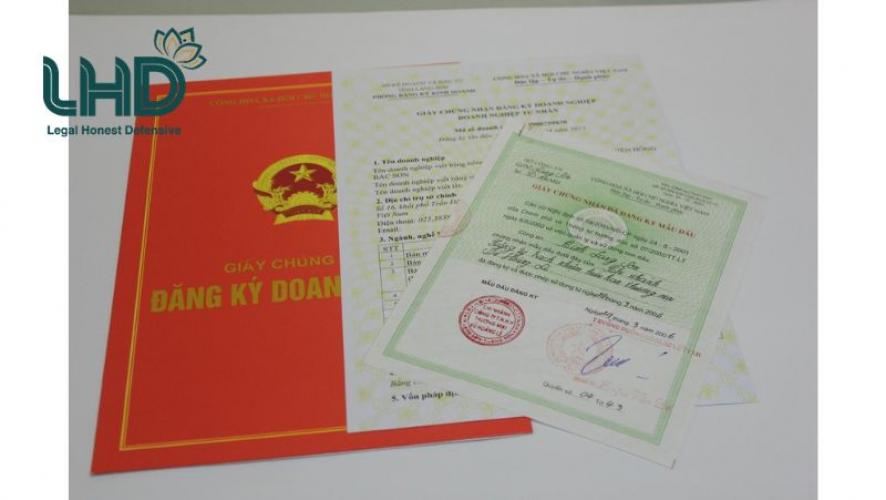
Enterprise Registration Certificate (ERC) Costs
After obtaining the IRC, investors must secure an Enterprise Registration Certificate (ERC).
Costs may include:
-
Registration filing
-
Corporate documentation
-
Company charter drafting
-
Legal representative documentation
Compared with the IRC stage, ERC registration is generally faster and less expensive.
Legal and Consulting Service Fees
Many foreign investors engage professional consultants to manage the registration process.
Professional service fees typically cover:
Pre-Investment Consultation
Services may include:
-
Investment structure planning
-
Foreign ownership assessment
-
Market access review
Company Registration
Assistance with:
-
IRC applications
-
ERC applications
-
Corporate governance documents
Post-Licensing Support
Including:
-
Tax registration
-
Labor registration
-
Compliance setup
Professional support often reduces approval delays and minimizes compliance risks.
Office Rental Costs
Every company must maintain a legally registered business address.
Office expenses vary considerably depending on location and business needs.
Ho Chi Minh City
Typically the most expensive office market in Vietnam.
Popular districts include:
-
District 1
-
District 3
-
District 7
-
Thu Duc City
Hanoi
Office costs are generally comparable to major business districts in Ho Chi Minh City.
Da Nang
Offers lower rental costs while providing access to a growing business ecosystem.
Serviced Offices vs Traditional Offices
Many foreign investors initially choose serviced offices because they provide:
-
Lower startup costs
-
Flexible lease terms
-
Administrative support
-
Professional business addresses
Traditional offices may become more economical for larger operations.
Charter Capital Requirements
One common misconception is that Vietnam imposes a universal minimum capital requirement.
In reality, most industries do not have a fixed minimum charter capital.
However, authorities evaluate whether the proposed capital is reasonable for the intended business activities.
Typical Capital Expectations
Consulting Companies
Often require relatively modest capital levels.
Trading Companies
Generally require higher capital due to inventory and operational expenses.
Manufacturing Companies
Usually require substantial capital investments for:
-
Machinery
-
Facilities
-
Workforce
-
Production operations
The larger the project, the greater the expected capital commitment.
Document Preparation Costs
Foreign investors often incur costs related to preparing overseas documents.
These may include:
Notarization
Required for certain corporate documents.
Consular Legalization
Many foreign documents must be legalized before use in Vietnam.
Certified Translation
Documents generally require translation into Vietnamese.
These expenses vary depending on the country of origin and the number of documents involved.
Bank Account Setup Costs
Foreign-invested companies typically establish:
Direct Investment Capital Account (DICA)
Used for capital contributions and foreign investment transactions.
Corporate Operating Account
Used for daily business activities.
Most banks charge modest fees for account maintenance and transaction services.
Digital Signature Costs
Vietnam requires businesses to conduct many tax and regulatory filings electronically.
A digital signature is necessary for:
-
Tax declarations
-
Social insurance filings
-
Government reporting
Digital signature services generally involve annual subscription fees.
Electronic Invoice (E-Invoice) Costs
Businesses operating in Vietnam must issue electronic invoices.
Costs may include:
-
E-invoice software
-
Invoice packages
-
System integration
The total expense depends on transaction volume.
Small businesses often incur relatively low annual costs.
Accounting and Tax Compliance Costs
Accounting represents one of the most important ongoing expenses for foreign-invested companies.
Monthly Accounting
Companies must maintain proper accounting records.
Tasks include:
-
Bookkeeping
-
VAT declarations
-
Payroll accounting
-
Financial reporting
Annual Financial Statements
Vietnamese companies must prepare annual financial statements in accordance with local accounting standards.
Tax Filings
Regular tax compliance may involve:
-
VAT
-
Corporate income tax
-
Personal income tax
-
Foreign contractor tax
Many foreign businesses outsource accounting functions to specialized service providers.
Labor and Payroll Costs
Businesses planning to hire employees should consider:
Salaries
Compensation varies depending on industry and experience.
Social Insurance
Employers contribute to mandatory social insurance programs.
Health Insurance
Required under Vietnamese labor regulations.
Unemployment Insurance
Applicable to eligible employees.
These obligations should be factored into overall operating costs.
Industry-Specific Licensing Costs
Certain industries require additional permits.
Examples include:
Education
May require:
-
Educational licenses
-
Facility inspections
Logistics
May require specialized operating permits.
Food and Beverage
May require food safety approvals.
Healthcare
May require professional and facility licensing.
Such industries generally involve higher setup costs than standard consulting or software businesses.
Hidden Costs Foreign Investors Often Overlook
Many investors budget only for registration expenses and underestimate ongoing compliance obligations.
Common overlooked costs include:
Annual License Tax
Applicable to registered businesses.
Office Lease Deposits
Landlords frequently require security deposits.
Work Permit Applications
Foreign employees often require:
-
Work permits
-
Temporary residence cards
Audit Requirements
Certain foreign-invested enterprises may require annual audits.
Regulatory Reporting
Periodic reporting obligations can create additional compliance costs.
Estimated Cost Ranges by Business Type
Consulting Company
Generally among the lowest-cost business structures to establish.
Typical costs primarily involve:
-
Licensing
-
Office registration
-
Accounting services
Trading Company
Moderate setup costs due to:
-
Import-export activities
-
Inventory requirements
-
Additional licensing considerations
Manufacturing Company
Often the highest-cost category due to:
-
Factory leasing
-
Equipment investment
-
Labor requirements
-
Environmental approvals
How to Reduce Company Formation Costs
Foreign investors can manage costs by:
Selecting Appropriate Business Activities
Avoid unnecessary licensing complexity.
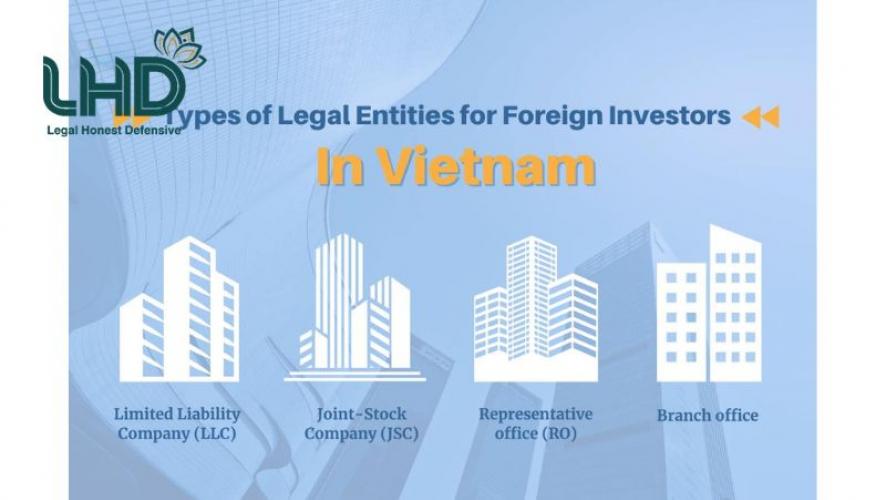
Choosing the Correct Legal Structure
An LLC is often the most cost-efficient option.
Using Serviced Offices Initially
This reduces startup expenses.
Outsourcing Accounting Functions
Professional accounting services are often more economical than maintaining a full in-house team.
Planning Compliance Early
Preventing regulatory issues is usually less expensive than correcting them later.
Frequently Asked Questions
Is Vietnam Expensive for Foreign Investors?
Compared to many regional investment destinations, Vietnam remains highly competitive in terms of setup and operational costs.
Is Charter Capital a Government Fee?
No. Charter capital belongs to the company and is used to support business operations.
What Is the Largest Cost When Starting a Company?
For most foreign investors, office expenses, staffing, and ongoing compliance costs exceed government registration fees.
Do I Need Professional Assistance?
While not legally required, professional support often helps investors avoid delays, licensing errors, and compliance risks.
Conclusion
The cost of setting up a company in Vietnam depends on the nature of the business, investment scale, and regulatory requirements. While government registration fees remain relatively modest, investors should carefully budget for legal services, office space, accounting, tax compliance, labor costs, and industry-specific licensing obligations.
By understanding the full cost structure and planning appropriately, foreign investors can establish a compliant and sustainable business presence in Vietnam while minimizing unexpected expenses.
For a complete roadmap, read our guide on Set Up Company in Vietnam and explore the requirements, licensing procedures, and compliance obligations that apply to foreign-owned companies.
Send comment
Others Post





+68889+
+16889+
+39+
3+
0 comment