
Registered office Vietnam: What the law actually requires
- 09/08/2026

 CONTENT
CONTENT
Picking an address sounds like the easy part of setting up a company. Then the registration file gets rejected, and founders realize a registered office Vietnam isn't just a mailbox, it's a legal fixture of the enterprise itself, written into the charter and tied to every filing that follows.
Article 42 of the 2020 Law on Enterprises is short. It says the head office must sit inside Vietnam's territory, must work as the enterprise's contact address, and must carry a phone number and, where available, an email. Three lines. Yet those three lines generate a surprising number of rejected applications every year, mostly because people assume any rented desk will do.

What counts as a registered office under Vietnamese law
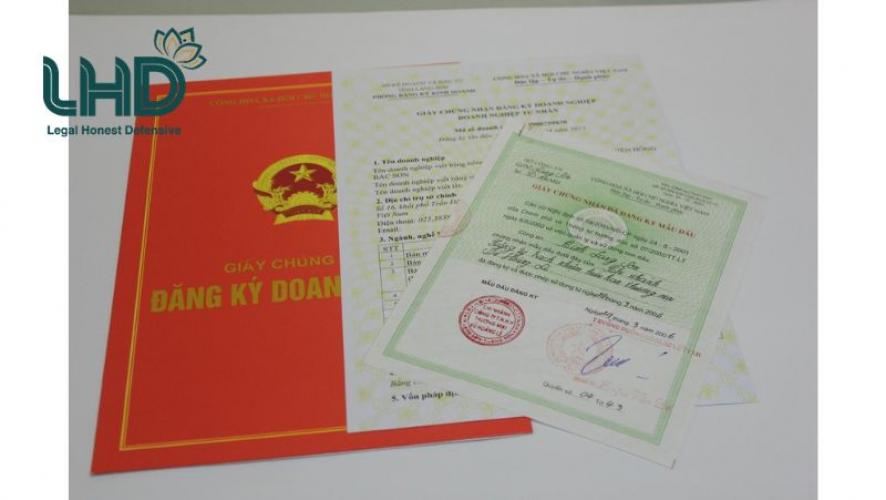
A registered office is not the same as a "business location" or a branch. It's the single, primary address of the company, the one printed on the Enterprise Registration Certificate, the one tax authorities, banks, and labor departments will all use as the default point of contact.
The address has to be traceable to a specific administrative unit: house number, street, ward, district, city or province. A general description like "near the market" won't pass. Neither will a PO box. The local business registration office cross-checks the address against land and housing databases before granting the certificate, so vague or informal addresses get flagged almost immediately.
Core requirements founders need to satisfy
The address must map to a physical, identifiable location
This sounds obvious, but it trips up a lot of first-time investors who try to register at a friend's apartment without checking the building's function code first. Vietnam classifies buildings by purpose. Purely residential apartment blocks, in most cities, cannot legally host a company's head office unless the building has mixed-use zoning that specifically allows commercial or office activity.
Contact details attached to the address
Once the address is approved, the company name plate has to be physically displayed at that location, under Clause 4, Article 37 of the same law. A phone number is mandatory; a fax and email are optional but recommended, since most licensing authorities now default to email for correspondence anyway.
Statutory documents stored at the head office
Company charter, the register of members or shareholders, and financial statements are expected to be kept at the registered office, or at another location the company has formally declared. Inspectors can, in theory, request to see these on short notice.
Can a virtual office work as your registered office Vietnam?

Yes, and this is where a lot of practical flexibility exists. Serviced offices and virtual office providers have become common precisely because they solve the "we don't have a physical footprint yet" problem for early-stage foreign-invested companies. A virtual office is legal as long as the building itself is zoned for commercial use and the provider issues a proper lease or authorization letter that the licensing authority accepts as supporting documentation.
Here's a scenario that comes up often. A software company from Singapore wants to open a small representative team in Ho Chi Minh City, but doesn't want to commit to a 12-month lease before revenue starts flowing. A virtual office in a licensed commercial building lets them register the entity, open a bank account, and start operating. Six months later, once headcount grows, they migrate to a proper leased office and simply file an address change.
Contrast that with a case that goes wrong. An investor registers the head office at a residential condominium because the rent is cheap and the landlord "said it was fine." The application stalls for weeks because the building's function code on record is strictly residential. The fix ends up costing more time than just leasing correctly-zoned space from the start would have.
Common mistakes that delay approval
A few patterns repeat across almost every rejected filing:
- Using a home address in a building not zoned for business use, without checking the certificate of land use rights first.
- Submitting a lease agreement signed by someone who isn't actually authorized to lease out the unit, which happens more than people expect in sublease situations.
- Listing an address that doesn't match, down to the ward name, what's on the landlord's property documents, especially after Vietnam's administrative boundary mergers reshuffled some ward and district names.
- Forgetting to update the registered office after moving, which can trigger complications with tax filings, invoices, and even the company seal.
None of these are exotic problems. They're clerical, avoidable, and yet they're the single biggest reason company formation timelines stretch out for weeks instead of days.
Changing your registered office later
Businesses relocate. That's normal, and Vietnamese law accounts for it, but the change isn't automatic. Moving the head office requires filing an amendment with the business registration office, and if the move crosses provincial lines, additional tax authority notification is required before the new certificate is issued. Skipping this step, or treating it as a formality to handle "later," is one of the more common compliance gaps foreign-invested companies fall into once they're a year or two into operating.
A useful habit: treat the registered office the same way you'd treat the company charter. Any change gets filed promptly, documented, and reflected across bank records, tax invoices, and labor contracts at the same time, rather than piecemeal.
Getting it right the first time
The registered office requirement looks minor next to bigger decisions like charter capital or business lines, but it's usually the first thing that either speeds up or stalls your Vietnam company formation. Founders who verify the building's zoning and lease authority before filing tend to sail through licensing. Those who don't, often find themselves resubmitting documents while the clock keeps running on their investment timeline.
If you're still weighing where and how to register, it helps to look at the full picture alongside related decisions such as the cost of setting up a company in Vietnam, since office location and lease terms often factor directly into your setup budget.
For founders who want the address question settled correctly the first time, rather than discovered through a rejection letter, working with a local firm tends to save both weeks and money. LHD Law Firm has guided foreign investors through company registration since 2007 and can review a lease or building's zoning status before it becomes a problem on your file.
Send comment
Others Post







+68889+
+16889+
+39+
3+
0 comment