
SET UP COMPANY IN VIETNAM ONLINE
- 30/09/2026


 CONTENT
CONTENT
Set Up Company in Vietnam: The Ultimate Guide for Foreign Investors in 2026
Start Your Business in Vietnam with Confidence
Vietnam has emerged as one of the most attractive investment destinations in Asia. Thanks to its strategic location, competitive workforce, stable political environment, extensive free trade agreements, and rapidly growing economy, thousands of foreign investors choose to set up a company in Vietnam every year.
Whether you are a startup founder, multinational corporation, manufacturer, e-commerce entrepreneur, technology company, or professional services provider, Vietnam offers tremendous opportunities for growth and expansion.
However, company registration in Vietnam involves a unique legal framework that foreign investors must understand before entering the market.
This comprehensive guide explains everything you need to know about:
✓ Company registration procedures
✓ Foreign ownership rules
✓ Investment licenses
✓ Business structures
✓ Registration costs
✓ Tax obligations
✓ Banking requirements
✓ Accounting compliance
✓ Work permits
✓ Legal risks and practical solutions
By the end of this guide, you will have a complete roadmap for establishing a successful business presence in Vietnam.
Why Foreign Investors Choose Vietnam
Vietnam Is One of Asia's Fastest-Growing Economies
Vietnam has consistently demonstrated strong economic growth over the past decade.
Major factors driving investor confidence include:
-
Stable GDP growth
-
Growing middle class
-
Increasing consumer spending
-
Strong export performance
-
Significant foreign direct investment inflows
-
Modernizing infrastructure
International companies increasingly view Vietnam as a strategic alternative to traditional manufacturing and investment destinations.
Strategic Geographic Location
Vietnam sits at the centre of Southeast Asia and provides convenient access to:
-
China
-
Thailand
-
Singapore
-
Malaysia
-
Indonesia
-
Philippines
Businesses operating in Vietnam can efficiently serve both regional and global markets.
The country also possesses:
-
Deep-sea ports
-
International airports
-
Expanding logistics infrastructure
-
Industrial parks and export processing zones
Extensive Free Trade Agreements
Vietnam has become one of the world's most integrated economies.
The country participates in several major trade agreements, including:
CPTPP
Comprehensive and Progressive Agreement for Trans-Pacific Partnership.
EVFTA
European Union – Vietnam Free Trade Agreement.
UKVFTA
United Kingdom – Vietnam Free Trade Agreement.
RCEP
Regional Comprehensive Economic Partnership.
ASEAN Free Trade Area
Providing access to Southeast Asian markets.
These agreements create substantial tariff advantages for businesses operating in Vietnam.
Competitive Labor Costs
Vietnam offers a highly educated workforce while maintaining competitive labor costs compared with many neighboring countries.
Industries benefiting from Vietnam's labor market include:
-
Manufacturing
-
Software development
-
Electronics
-
Textile production
-
Customer support services
-
Business process outsourcing
Political Stability
Political stability remains one of Vietnam's strongest advantages.
Investors generally experience:
-
Predictable government policies
-
Long-term economic planning
-
Strong support for foreign investment
-
Continued infrastructure development
This stability creates a favourable environment for long-term business growth.
Can Foreigners Set Up a Company in Vietnam?
The simple answer is:
Yes.
Foreign investors can legally establish businesses in Vietnam.
Available ownership structures include:
100% Foreign-Owned Company
The most popular option.
Foreign investors own the entire business.
Suitable for:
-
Consulting firms
-
Software companies
-
Trading businesses
-
Manufacturing enterprises
-
Service providers
Joint Venture Company
Foreign and Vietnamese investors jointly own the company.
Often used in sectors with ownership restrictions.
Examples may include:
-
Logistics
-
Advertising
-
Education
-
Certain real estate projects
Acquisition of Existing Vietnamese Companies
Foreign investors may acquire shares in existing Vietnamese businesses.
Benefits include:
-
Faster market entry
-
Existing customer base
-
Existing licenses
-
Established workforce
However, proper legal due diligence is essential.
Understanding Vietnam's Foreign Investment Framework
Before starting the registration process, investors must understand the legal framework governing foreign investment.
The principal laws include:
Investment Law
Regulates foreign investment activities.
Covers:
-
Investment approvals
-
Market access conditions
-
Investment incentives
-
Investor rights
Enterprise Law
Governs company establishment and corporate governance.
Includes rules relating to:
-
Company structures
-
Shareholders
-
Members
-
Legal representatives
-
Corporate administration
Labor Code
Regulates employment relationships.
Tax Administration Law
Governs tax compliance obligations.
Relevant Decrees and Circulars
Various implementing regulations govern specific sectors and licensing requirements.
Understanding these regulations is critical for avoiding costly mistakes.
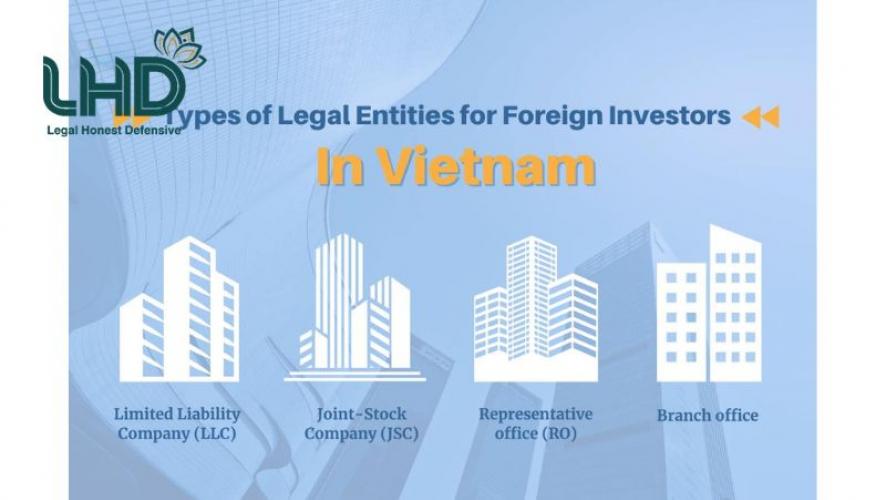
Types of Companies Available to Foreign Investors
Selecting the appropriate business structure is one of the most important decisions an investor will make.
The wrong structure can create future tax, compliance, and operational problems.
Single-Member Limited Liability Company
A Single-Member LLC has one owner.
The owner may be:
-
An individual
-
A foreign corporation
Advantages include:
✓ Full control
✓ Limited liability
✓ Simple governance
✓ Lower compliance burden
✓ Popular among SMEs
This structure is commonly chosen by foreign entrepreneurs entering Vietnam.
Multi-Member Limited Liability Company
A Multi-Member LLC may have:
2–50 members.
Suitable for:
-
Joint ventures
-
Family businesses
-
Investment groups
-
Professional firms
Advantages include:
-
Flexible ownership structure
-
Strong liability protection
-
Relatively simple administration
Joint Stock Company (JSC)
A Joint Stock Company is the preferred structure for larger enterprises.
Characteristics include:
-
Minimum 3 shareholders
-
Unlimited maximum shareholders
-
Ability to issue shares
-
Easier fundraising
JSCs are commonly used for:
-
Large-scale manufacturing
-
Technology companies
-
Venture capital-backed startups
-
Public companies
Representative Office
A Representative Office cannot generate revenue directly.
Permitted activities include:
-
Market research
-
Liaison activities
-
Promotion of parent company business
This structure is often used as a preliminary step before full investment.
Branch Office
Foreign companies operating in certain sectors may establish branches.
Branches may conduct commercial activities subject to licensing requirements.
However, branch eligibility is considerably more limited than LLC incorporation.
Which Business Structure Is Best?
Most foreign investors choose a:
100% Foreign-Owned Limited Liability Company
Because it offers:
-
Operational flexibility
-
Strong legal protection
-
Straightforward management
-
Reasonable compliance requirements
For most SMEs entering Vietnam, this structure is the optimal choice.
Market Access Conditions for Foreign Investors
One of the most important aspects of company registration is determining whether your proposed business activities are open to foreign investors.
Vietnam applies a "negative list" approach.
This means:
Foreign investors may engage in all sectors except those specifically restricted.
Categories include:
Fully Open Sectors
Examples:
-
Software development
-
IT consulting
-
Business consulting
-
Manufacturing
-
Export activities
Conditional Sectors
Examples:
-
Education
-
Logistics
-
Advertising
-
Tourism
-
Healthcare
Additional requirements may apply.
Restricted Sectors
Certain industries remain closed or heavily restricted.
Professional legal review is highly recommended before investment.
Step-by-Step Process to Set Up a Company in Vietnam
The company registration process generally involves two major licenses:
Investment Registration Certificate (IRC)
and
Enterprise Registration Certificate (ERC)
The exact process varies by project and industry.
The following chapters explain each stage in detail.
Investment Registration Certificate (IRC): The First Step for Foreign Investors
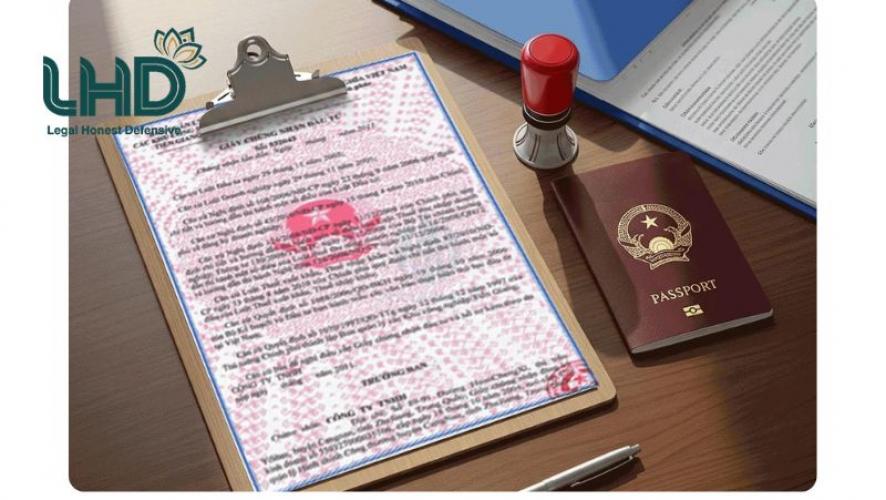
For most foreign-invested projects, obtaining an Investment Registration Certificate (IRC) is the first major legal requirement before establishing a company in Vietnam.
The IRC serves as official approval from Vietnamese authorities allowing a foreign investor to implement a specific investment project.
Without the IRC, foreign investors generally cannot proceed with company incorporation.
What Information Is Included in an IRC?
The Investment Registration Certificate typically contains:
-
Project name
-
Investor information
-
Investment objectives
-
Project location
-
Investment capital
-
Project duration
-
Implementation schedule
-
Applicable incentives
The IRC essentially functions as the legal foundation of the investment project.
Who Needs an IRC?
Most foreign investors establishing a company in Vietnam require an IRC before applying for the Enterprise Registration Certificate (ERC).
Examples include:
-
Manufacturing companies
-
Trading companies
-
Software businesses
-
Consulting firms
-
Logistics companies
-
E-commerce companies
However, certain share acquisition transactions may not require a new IRC depending on the ownership structure and business activities.
Professional legal assessment is recommended before proceeding.
Documents Required for an IRC Application
For Individual Investors
Foreign individuals typically provide:
-
Passport copy
-
Proof of financial capacity
-
Bank statement
-
Proposed investment project information
-
Office lease agreement
For Corporate Investors
Foreign corporate investors generally provide:
-
Certificate of Incorporation
-
Articles of Association
-
Audited Financial Statements
-
Board Resolution approving the investment
-
Appointment of authorised representative
Foreign documents must usually undergo:
Consular Legalization
Vietnamese authorities generally require foreign documents to be legalised.
Certified Translation
Documents must be translated into Vietnamese by authorised translators.
How Long Does an IRC Take?
For standard projects:
Approximately 15 Working Days
However, conditional sectors or projects requiring additional approvals may take longer.
Factors affecting processing time include:
-
Business sector
-
Project location
-
Completeness of documentation
-
Government review requirements
Enterprise Registration Certificate (ERC)
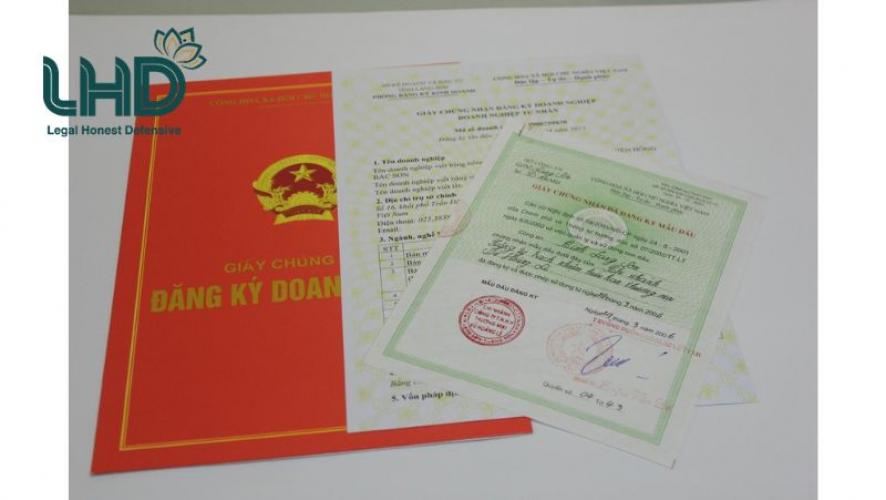
After receiving the IRC, investors proceed to obtain the Enterprise Registration Certificate.
The ERC officially establishes the company as a legal entity under Vietnamese law.
Think of the IRC as approval for the investment project and the ERC as the company's birth certificate.
Information Included in the ERC
The Enterprise Registration Certificate contains:
-
Company name
-
Enterprise code
-
Registered address
-
Legal representative
-
Charter capital
-
Business lines
Upon issuance of the ERC, the company legally exists and may begin post-incorporation procedures.
ERC Processing Time
Typical processing time:
3–5 Working Days
Provided all application documents are properly prepared.
Choosing the Right Company Name
Selecting an appropriate company name is often underestimated by foreign investors.
Vietnam imposes specific naming rules.
The proposed company name must:
✓ Not duplicate existing registered companies
✓ Not cause confusion
✓ Not violate public morality
✓ Not infringe intellectual property rights
Recommended Naming Structure
Most foreign-invested companies use:
[Brand Name] + Vietnam Company Limited
Examples:
-
ABC Vietnam Company Limited
-
Global Solutions Vietnam Company Limited
-
Asia Tech Vietnam Company Limited
A trademark search is strongly recommended before finalising the company name.
Charter Capital Requirements in Vietnam
One of the most frequently asked questions is:
What Is the Minimum Capital Required to Set Up a Company in Vietnam?
The answer depends on the industry.
For most business sectors:
No Fixed Minimum Capital Requirement Exists
However, investors must declare a realistic amount sufficient to support operations.
Authorities may reject projects with unrealistically low capital levels.
Factors Influencing Capital Requirements
Government authorities may evaluate:
-
Business activities
-
Scale of operations
-
Office costs
-
Employee numbers
-
Operational expenses
For example:
A consulting company may require significantly less capital than a manufacturing facility.
Capital Contribution Deadline
Vietnamese law generally requires charter capital to be fully contributed within:
90 Days
From the ERC issuance date.
Failure to contribute capital on time may result in:
-
Administrative penalties
-
Capital adjustment procedures
-
Compliance issues
Registered Office Requirements
Every company established in Vietnam must maintain a registered business address.
This address serves as the official location for:
-
Government correspondence
-
Tax administration
-
Licensing activities
Can Foreign Investors Use Virtual Offices?
In some circumstances:
Yes
However, suitability depends on:
-
Industry
-
Licensing requirements
-
Local authority practices
Certain regulated sectors require dedicated office space.
Professional verification before signing a lease is advisable.
Office Lease Documentation
Typical requirements include:
-
Lease agreement
-
Land use documentation
-
Building ownership certificate
-
Landlord information
Incomplete documentation may delay registration.
Legal Representative Requirements
Every Vietnamese company must appoint at least one legal representative.
The legal representative has authority to:
-
Sign contracts
-
Represent the company
-
Interact with authorities
-
Manage legal obligations
Who Can Be the Legal Representative?
The legal representative may be:
-
Foreign individual
-
Vietnamese citizen
Many foreign-owned companies appoint:
-
Foreign director
-
Foreign investor
-
Professional local representative
depending on business needs.
Residency Considerations
Vietnamese law generally requires the company to maintain a legal representative residing in Vietnam.
If the representative leaves Vietnam for an extended period, delegation procedures may be required.
Company Seal Requirements
After receiving the ERC, companies typically create an official company seal.
Although Vietnam has modernised seal regulations, many organisations still request sealed documents.
The company seal remains important for:
-
Commercial contracts
-
Corporate resolutions
-
Banking procedures
-
Government filings
Publication of Company Registration Information
Following incorporation, the company must publish registration information on the National Business Registration Portal.
This publication generally includes:
-
Company name
-
Registration number
-
Address
-
Legal representative
Failure to complete publication requirements may lead to penalties.
Opening a Corporate Bank Account in Vietnam
A corporate bank account is essential for operating a company legally.
The account is used for:
-
Capital contributions
-
Supplier payments
-
Employee salaries
-
Tax payments
-
Customer transactions
Types of Bank Accounts
Foreign-invested companies commonly open:
Direct Investment Capital Account (DICA)
Used for foreign investment transactions.
Operating Account
Used for daily business operations.
Required Documents
Banks typically require:
-
IRC
-
ERC
-
Company seal
-
Corporate resolutions
-
Identification documents
-
Office documentation
Requirements vary by bank.
Choosing the Right Bank
Popular choices include:
-
Vietnamese commercial banks
-
International banks
-
Foreign-invested banks operating in Vietnam
Selection should consider:
-
International transfer capabilities
-
Online banking services
-
Foreign currency support
-
Service quality
Capital Contribution Procedures
Foreign investors cannot simply transfer money into any account.
Capital contributions must follow Vietnam's foreign exchange regulations.
Funds generally pass through:
Direct Investment Capital Account
This process ensures regulatory compliance.
Improper capital contribution methods may create:
-
Tax risks
-
Banking complications
-
Profit remittance issues
How Much Does It Cost to Set Up a Company in Vietnam?
Company formation costs vary significantly depending on:
-
Business activities
-
Investment scale
-
Licensing complexity
-
Professional service providers
Government Fees
These include:
-
Registration fees
-
Publication fees
-
Licensing fees
Government fees are generally modest.
Office Costs
Expenses may include:
-
Office rent
-
Deposits
-
Utility setup
-
Management fees
Location significantly impacts cost.
Major cities such as Hanoi and Ho Chi Minh City typically involve higher rental expenses.
Legal Service Fees
Professional legal assistance often includes:
-
Investment advisory
-
Document preparation
-
Licensing procedures
-
Government liaison
-
Compliance guidance
Experienced advisors can substantially reduce regulatory risks.
Accounting and Tax Setup Costs
New companies generally require:
-
Accounting system implementation
-
Tax registration
-
Electronic invoice setup
-
Compliance support
These costs should be included in the startup budget.
Typical Timeline to Set Up a Company in Vietnam
A standard foreign-invested company usually follows this timeline:
Week 1
-
Project planning
-
Documentation preparation
-
Office lease arrangement
Week 2–4
-
IRC application review
Week 4–5
-
ERC issuance
Week 5–6
-
Seal creation
-
Bank account opening
-
Tax registration
-
Capital contribution procedures
Total expected timeline:
Approximately 4–8 Weeks
Complex projects may require additional approvals and therefore longer processing periods.
Common Mistakes During Company Formation
Foreign investors frequently encounter problems because they underestimate local compliance requirements.
Common mistakes include:
Choosing Incorrect Business Lines
Improper business registration may restrict future operations.
Underestimating Capital Requirements
Authorities increasingly scrutinize unrealistic capital declarations.
Using Non-Compliant Office Addresses
This remains a common cause of licensing delays.
Failing to Plan Tax Compliance
Tax obligations begin immediately after incorporation.
Ignoring Industry-Specific Licenses
Many sectors require additional permits after company registration.
Avoiding these mistakes can save significant time and expense.
Vietnam Corporate Tax System: What Foreign Investors Need to Know
Understanding Vietnam's tax system is essential before establishing a company.
Many foreign investors focus solely on company registration and underestimate the importance of tax compliance.
Vietnam's tax framework is relatively straightforward but requires proper planning from the beginning.
The primary taxes applicable to foreign-invested companies include:
-
Corporate Income Tax (CIT)
-
Value Added Tax (VAT)
-
Personal Income Tax (PIT)
-
Foreign Contractor Tax (FCT)
-
Import and Export Duties
Failure to comply can result in significant penalties and operational difficulties.
Corporate Income Tax (CIT)
Corporate Income Tax is the primary tax imposed on business profits.
Standard CIT Rate
The standard Corporate Income Tax rate in Vietnam is:
20%
This rate applies to most companies operating in Vietnam.
Industries with Preferential Tax Rates
Certain sectors may benefit from tax incentives, including:
-
High technology
-
Research and development
-
Renewable energy
-
Education
-
Healthcare
-
High-tech manufacturing
Depending on the project, investors may receive:
-
Reduced tax rates
-
Tax holidays
-
Tax exemptions
-
Tax reductions for several years
Professional tax planning can significantly improve project profitability.
Value Added Tax (VAT)
VAT applies to most goods and services supplied in Vietnam.
Common VAT rates include:
0%
Applicable primarily to exports.
5%
Certain essential goods and services.
10%
Standard VAT rate.
VAT Compliance
Businesses generally must:
-
Issue VAT invoices
-
Maintain accounting records
-
Submit VAT declarations
-
Retain supporting documentation
Proper invoice management is critical during tax audits.
Personal Income Tax (PIT)
Companies employing staff in Vietnam must withhold and declare Personal Income Tax.
PIT obligations apply to:
-
Vietnamese employees
-
Foreign employees
-
Directors
-
Managers
Employers act as withholding agents for tax authorities.
Foreign Contractor Tax (FCT)
Foreign Contractor Tax may apply when Vietnamese companies purchase services from overseas suppliers.
Examples include:
-
Consulting services
-
Software services
-
Technical support
-
Management services
Proper contract structuring can help avoid unexpected tax liabilities.
Accounting Requirements for Foreign-Invested Companies
Every company established in Vietnam must maintain accounting records.
Accounting compliance begins immediately after incorporation.
Many foreign investors mistakenly believe accounting obligations only arise after revenue generation.
This assumption is incorrect.
Accounting Standards
Companies generally follow:
Vietnam Accounting Standards (VAS)
or approved accounting frameworks under applicable regulations.
Accounting records must be maintained accurately and consistently.
Accounting Books
Companies are expected to maintain:
-
General ledger
-
Cash book
-
Bank records
-
Sales records
-
Purchase records
-
Payroll records
-
Asset registers
These documents may be reviewed during inspections or tax audits.
Annual Financial Statements
At the end of each financial year, companies prepare financial statements.
These typically include:
-
Balance sheet
-
Income statement
-
Cash flow statement
-
Notes to financial statements
Statutory Audit Requirements
Certain foreign-invested enterprises may require annual independent audits.
Audited financial statements are frequently necessary for:
-
Regulatory compliance
-
Parent company reporting
-
Bank financing
-
Investment reporting
Electronic Invoices in Vietnam
Vietnam has largely transitioned to electronic invoicing.
Most businesses must issue:
Electronic VAT Invoices
Electronic invoicing provides:
-
Greater transparency
-
Reduced paperwork
-
Improved tax administration
Failure to comply can create tax risks and penalties.
Work Permit Requirements for Foreign Directors and Employees
Many foreign investors plan to relocate management personnel to Vietnam.
Understanding work permit requirements is therefore critical.
Do Foreign Directors Need Work Permits?
In many situations:
Yes
Foreign directors, managers, experts, and employees typically require work authorisation.
However, exemptions may apply under specific circumstances.
Professional review should be conducted before relocation.
Common Work Permit Categories
Foreign personnel often qualify as:
Managers
Individuals managing company operations.
Executives
Senior decision-makers.
Experts
Professionals possessing specialized qualifications.
Technical Workers
Personnel with technical expertise.
Each category has distinct documentation requirements.
Typical Work Permit Documents
Applications commonly require:
-
Passport
-
Educational qualifications
-
Employment verification
-
Criminal record certificate
-
Medical examination
-
Employer documentation
Foreign documents generally require legalisation and translation.
Temporary Residence Cards
After obtaining a work permit, foreign employees may qualify for:
Temporary Residence Cards (TRC)
Benefits include:
-
Long-term residence
-
Multiple entries and exits
-
Reduced visa renewal requirements
This significantly simplifies relocation to Vietnam.
Foreign Ownership Restrictions in Vietnam
Although Vietnam welcomes foreign investment, certain industries remain regulated.
Investors should verify market access conditions before registration.
Fully Open Sectors
Examples include:
-
Software development
-
IT consulting
-
Manufacturing
-
Export activities
-
Management consulting
These sectors often permit:
100% Foreign Ownership
Conditional Business Sectors
Conditional sectors may impose:
-
Ownership caps
-
Licensing requirements
-
Operational restrictions
Examples include:
-
Logistics
-
Advertising
-
Education
-
Tourism
-
Telecommunications
Restricted Industries
Certain sectors may prohibit or severely limit foreign participation.
Examples can include activities involving:
-
National security
-
Defense
-
Sensitive infrastructure
A legal feasibility review should always precede investment.
Representative Office vs Limited Liability Company
Many foreign businesses entering Vietnam struggle to decide between a Representative Office and a Limited Liability Company.
The correct choice depends on business objectives.
Representative Office
A Representative Office may:
✓ Conduct market research
✓ Promote the parent company
✓ Liaise with customers and partners
✓ Explore business opportunities
Limitations
A Representative Office cannot:
✗ Generate revenue
✗ Sign commercial contracts in its own name
✗ Issue invoices
✗ Conduct trading activities
Limited Liability Company
An LLC can:
✓ Generate revenue
✓ Hire employees
✓ Sign contracts
✓ Import and export goods
✓ Conduct commercial operations
✓ Issue invoices
For most investors planning actual business activities, an LLC is the preferred structure.
Investment Incentives Available in Vietnam
Vietnam actively encourages investment in strategic sectors.
Depending on the project, incentives may include:
-
Reduced tax rates
-
Tax holidays
-
Import duty exemptions
-
Land rental incentives
Priority Sectors
The government often prioritises:
High Technology
Including software development and advanced manufacturing.
Renewable Energy
Solar, wind, and clean energy projects.
Education
International schools and training institutions.
Healthcare
Hospitals and medical facilities.
Research and Development
Innovation-focused enterprises.
Manufacturing Company Setup in Vietnam
Manufacturing remains one of the most attractive sectors for foreign investment.
Vietnam's manufacturing ecosystem benefits from:
-
Competitive labour costs
-
Strategic location
-
Strong export infrastructure
-
Trade agreement advantages
Manufacturing Licensing Considerations
Investors should evaluate:
-
Factory location
-
Environmental regulations
-
Fire safety compliance
-
Industry-specific permits
Industrial parks often simplify regulatory procedures.
Trading Company Setup in Vietnam
Trading companies are among the most common foreign-invested enterprises.
Typical activities include:
-
Import
-
Export
-
Distribution
-
Wholesale activities
Additional Considerations
Depending on the products involved, investors may require:
-
Product registrations
-
Import permits
-
Specialized licenses
Proper planning prevents future operational restrictions.
E-Commerce Company Setup in Vietnam
Vietnam's digital economy is expanding rapidly.
Foreign investors increasingly establish:
-
Online retail businesses
-
SaaS companies
-
Digital marketplaces
-
Technology platforms
Key Compliance Issues
E-commerce businesses may need to consider:
-
Website registration
-
Data protection obligations
-
Consumer protection regulations
-
Tax compliance
-
Cross-border service issues
The regulatory framework continues to evolve, making professional advice valuable.
Post-Incorporation Compliance Checklist
After company formation, investors should complete the following tasks:
Legal Compliance
✓ Obtain all required licenses
✓ Maintain corporate records
✓ Update company information when changes occur
Tax Compliance
✓ Register tax accounts
✓ Submit tax filings
✓ Issue electronic invoices
✓ Maintain accounting records
Employment Compliance
✓ Execute labor contracts
✓ Register social insurance
✓ Obtain work permits
✓ Maintain HR documentation
Banking Compliance
✓ Open required accounts
✓ Complete capital contribution
✓ Maintain foreign exchange compliance
Why Professional Legal Support Matters
Many investors attempt to navigate Vietnam's regulatory system without professional assistance.
This often leads to:
-
Registration delays
-
Compliance risks
-
Licensing complications
-
Tax issues
-
Increased costs
Experienced legal advisors can:
✓ Reduce regulatory risks
✓ Accelerate approvals
✓ Ensure compliance
✓ Support long-term business growth
For foreign investors entering Vietnam, professional guidance is often one of the most valuable investments they can make.
Why Choose LHD Law Firm for Company Registration in Vietnam?
Setting up a company in Vietnam can be a complex process, particularly for foreign investors unfamiliar with local regulations, licensing requirements, and administrative procedures.
At LHD Law Firm, we help international investors navigate Vietnam's legal framework with confidence, ensuring a smooth, compliant, and cost-effective market entry.
Whether you are launching a startup, establishing a manufacturing facility, opening a trading company, or expanding an international business into Vietnam, our legal team provides end-to-end support throughout the entire investment process.
Trusted Legal Partner for Foreign Investors
LHD Law Firm has assisted entrepreneurs, SMEs, multinational corporations, and overseas investors from various countries in establishing and operating businesses in Vietnam.
Our legal professionals possess extensive experience in:
-
Foreign direct investment (FDI)
-
Company registration
-
Investment licensing
-
Corporate governance
-
Employment and labor compliance
-
Work permits and visas
-
Tax and regulatory compliance
-
Intellectual property protection
-
Commercial contracts
We understand the challenges foreign investors face and provide practical legal solutions tailored to each client's business objectives.
Comprehensive Company Formation Services
Unlike many service providers that only assist with basic registration procedures, LHD Law Firm offers a complete business setup solution.
Our services include:
Pre-Investment Advisory
Before investing, we help clients evaluate:
-
Foreign ownership restrictions
-
Market access conditions
-
Investment feasibility
-
Business structure options
-
Licensing requirements
-
Tax implications
This early-stage guidance helps investors avoid costly mistakes and choose the most suitable market-entry strategy.
Investment Registration Certificate (IRC)
Our lawyers prepare and manage the entire IRC application process, including:
-
Investment project preparation
-
Legal documentation review
-
Government liaison
-
Regulatory compliance assessment
-
Application submission and follow-up
We work closely with authorities to ensure efficient processing and reduce delays.
Enterprise Registration Certificate (ERC)
We assist with:
-
Company name reservation
-
Corporate structure design
-
Charter capital planning
-
Business line registration
-
ERC application filing
Our team ensures all registration documents comply with Vietnamese legal requirements.
Post-Licensing Support
After incorporation, we continue supporting clients with:
-
Company seal procedures
-
Bank account opening assistance
-
Capital contribution compliance
-
Tax registration
-
Electronic invoice registration
-
Accounting and compliance advisory
This ensures your company is fully operational and legally compliant from day one.
Deep Understanding of Vietnam's Investment Laws
Vietnam's legal environment continues to evolve as the country attracts increasing foreign investment.
Our legal team continuously monitors changes in:
-
Investment regulations
-
Enterprise laws
-
Labor legislation
-
Tax policies
-
Licensing procedures
-
Foreign ownership rules
This enables us to provide accurate, up-to-date legal advice and protect clients from regulatory risks.
Industry-Specific Expertise
LHD Law Firm has experience supporting investors across a wide range of industries, including:
Manufacturing
-
Factory setup
-
Industrial park investments
-
Export-oriented production
Trading and Distribution
-
Import-export businesses
-
Wholesale operations
-
Distribution licensing
Information Technology
-
Software development companies
-
SaaS businesses
-
Digital platforms
E-Commerce
-
Online marketplaces
-
Digital services
-
Cross-border commerce
Education
-
Training centers
-
International education projects
Healthcare
-
Medical service providers
-
Healthcare-related investments
Professional Services
-
Consulting firms
-
Engineering companies
-
Marketing agencies
Our industry-specific experience allows us to identify potential issues before they become obstacles.
Transparent Pricing and Efficient Processes
Foreign investors often worry about unexpected costs and lengthy bureaucratic procedures.
At LHD Law Firm, we emphasise:
✓ Transparent fee structures
✓ Clear project timelines
✓ Regular progress updates
✓ Practical legal advice
✓ Responsive communication
Our goal is to help clients establish their companies as efficiently as possible while maintaining full legal compliance.
English-Speaking Legal Professionals
International investors require legal advisors who can communicate effectively in English.
Our team regularly works with clients from:
-
United States
-
United Kingdom
-
Australia
-
Singapore
-
Japan
-
South Korea
-
European Union countries
-
ASEAN member states
We provide professional legal support in English, ensuring that investors clearly understand every stage of the registration process.
Long-Term Business Support Beyond Incorporation
Company formation is only the beginning of your investment journey.
LHD Law Firm continues supporting clients with:
-
Corporate compliance
-
Employment matters
-
Work permits
-
Temporary residence cards
-
Contract drafting
-
Intellectual property registration
-
Mergers and acquisitions
-
Corporate restructuring
-
Business expansion projects
As your business grows, we remain your trusted legal partner in Vietnam.
Why International Clients Choose LHD Law Firm
Clients choose LHD Law Firm because we offer:
✓ Extensive experience in foreign investment projects
✓ Practical and business-oriented legal solutions
✓ Strong understanding of Vietnamese regulations
✓ Comprehensive business setup services
✓ Professional English-language support
✓ Transparent communication and pricing
✓ Long-term legal partnership
Our mission is to help foreign investors establish, operate, and grow successful businesses in Vietnam with confidence.
Start Your Company Registration in Vietnam Today
If you are planning to set up a company in Vietnam, our legal team is ready to assist.
From initial investment planning to full business registration and ongoing compliance support, LHD Law Firm provides the legal expertise and practical guidance you need to succeed in one of Asia's most dynamic markets.
Contact LHD Law Firm
LHD Law Firm – Your Trusted Legal Partner for Company Registration in Vietnam
-
Foreign Investment Consulting
-
Company Registration Services
-
Work Permit & Visa Services
-
Corporate Compliance Support
-
Intellectual Property Protection
-
Business Expansion Advisory
Contact us today to discuss your Vietnam investment project and receive a tailored company formation strategy.
Request a Company Formation Quote
Start Your Business in Vietnam with Confidence
Planning to set up a company in Vietnam?
Whether you are an entrepreneur, startup founder, SME, or multinational corporation, LHD Law Firm provides comprehensive legal support to help you establish your business quickly, efficiently, and in full compliance with Vietnamese law.
Our experienced investment lawyers assist foreign investors throughout every stage of the company formation process, from initial planning and licensing to post-incorporation compliance.
Get a Customised Company Formation Quote
Every investment project is unique.
The registration requirements, timeline, costs, and licensing procedures depend on several factors, including:
✓ Type of business activity
✓ Foreign ownership structure
✓ Company location
✓ Charter capital
✓ Industry-specific licensing requirements
✓ Number of shareholders or investors
✓ Business model and operational scope
Contact our legal team today to receive a tailored quotation and incorporation roadmap for your investment project.
Our Company Formation Services Include
Pre-Investment Consultation
-
Market entry strategy
-
Business structure selection
-
Foreign ownership assessment
-
Licensing feasibility review
Company Registration
-
Investment Registration Certificate (IRC)
-
Enterprise Registration Certificate (ERC)
-
Company seal procedures
-
Corporate governance documentation
Post-Incorporation Support
-
Corporate bank account assistance
-
Capital contribution compliance
-
Tax registration
-
Electronic invoice registration
-
Accounting and compliance advisory
Immigration and Employment Services
-
Work permits
-
Temporary residence cards
-
Business visas
-
Labour compliance support
Why Work with LHD Law Firm?
✓ Experienced Foreign Investment Lawyers
✓ English-Speaking Legal Team
✓ Transparent Fixed-Fee Packages
✓ Fast Response Within 24 Hours
✓ End-to-End Legal Support
✓ Ongoing Corporate Compliance Assistance
✓ Trusted by International Investors
Request Your Free Consultation Today
Tell us about your business objectives, and our legal team will prepare a customised company formation strategy for your project.
Information We Need
Investor Information
-
Nationality
-
Individual or corporate investor
-
Number of investors
Business Information
-
Proposed business activities
-
Preferred company location
-
Estimated investment capital
-
Planned commencement date
Additional Requirements
-
Work permits
-
Visa support
-
Accounting services
-
Trademark registration
-
Virtual office services
Contact LHD Law Firm
Free Initial Consultation
Our lawyers will review your project and provide:
✓ Preliminary legal assessment
✓ Registration requirements
✓ Estimated timeline
✓ Estimated government fees
✓ Professional service quotation
Ready to Start?
Request a Company Formation Quote Today and Let Our Vietnam Investment Lawyers Help You Build Your Business Successfully.
Email: [all@lhdfirm.com]
Phone: [02822446739]
Website: [https://en.luathongduc.com/step-by-step-setup-company-in-vietnam]
Response Time: Within 24 Business Hours
How Much Does It Cost to Set Up a Company in Vietnam?
One of the most common questions foreign investors ask is:
"How much does it cost to set up a company in Vietnam?"
The answer depends on several factors, including the type of business, investment structure, licensing requirements, office location, and professional services required.
Unlike some countries, Vietnam generally does not impose a fixed minimum investment amount for most business sectors. However, investors should budget for government fees, legal services, office costs, accounting compliance, and operational capital.
Typical Costs of Company Registration in Vietnam
The total cost of setting up a foreign-invested company in Vietnam typically includes the following components:
1. Government Registration Fees
Government fees are relatively low compared to many other jurisdictions.
These fees may include:
-
Enterprise registration fees
-
Business registration publication fees
-
Company seal expenses
-
Administrative processing charges
Government fees usually represent only a small portion of the total investment cost.
2. Investment Registration Certificate (IRC)
Most foreign investors are required to obtain an Investment Registration Certificate (IRC) before company incorporation.
The cost of preparing and filing the IRC application depends on:
-
Business sector
-
Investment scale
-
Licensing complexity
-
Supporting documentation requirements
Projects in regulated industries may require additional approvals and therefore involve higher professional service costs.
3. Enterprise Registration Certificate (ERC)
Following approval of the investment project, investors must obtain an Enterprise Registration Certificate (ERC).
Costs may vary depending on:
-
Company structure
-
Number of shareholders
-
Corporate governance requirements
-
Registration scope
4. Legal and Professional Service Fees
Most foreign investors engage a professional law firm or corporate service provider to ensure a smooth registration process.
Professional services commonly include:
-
Investment advisory
-
Legal due diligence
-
Document preparation
-
Government liaison
-
Licensing procedures
-
Compliance advisory
Professional support often helps reduce delays, regulatory risks, and costly mistakes.
5. Office Rental Costs
Every company must maintain a registered business address in Vietnam.
Office costs vary significantly depending on:
-
City
-
District
-
Building grade
-
Office size
Typical locations include:
Ho Chi Minh City
Vietnam's largest commercial centre with premium office rental rates.
Hanoi
The capital city and administrative centre.
Da Nang
A growing destination for technology and service businesses.
Investors may also consider industrial parks, co-working spaces, or virtual office solutions depending on licensing requirements.
6. Charter Capital
Although charter capital is not technically a registration fee, it represents an important financial commitment.
For most sectors, Vietnamese law does not prescribe a fixed minimum capital amount.
However, authorities expect the declared capital to be reasonable and sufficient for the proposed business activities.
Examples:
-
Consulting company: lower capital requirements
-
Trading company: moderate capital requirements
-
Manufacturing company: significantly higher capital requirements
The appropriate capital level should be assessed on a case-by-case basis.
7. Bank Account and Capital Contribution Costs
After incorporation, investors typically need to:
-
Open a Direct Investment Capital Account (DICA)
-
Open an operating bank account
-
Transfer charter capital into Vietnam
Banking costs vary by institution and transaction volume.
8. Accounting and Tax Compliance Costs
All companies operating in Vietnam must comply with accounting and tax regulations.
Typical compliance costs include:
-
Monthly bookkeeping
-
VAT declarations
-
Corporate tax filings
-
Payroll administration
-
Annual financial statements
-
Statutory audits (where applicable)
These ongoing costs should be considered when budgeting for business operations.
Estimated Company Formation Budget
The overall cost of setting up a company in Vietnam depends on the complexity of the project.
Small Consulting or Service Company
Typically requires:
-
Company registration
-
Office address
-
Accounting setup
-
Basic compliance support
Trading Company
May require additional licenses and import-export compliance.
Manufacturing Company
Generally involves:
-
Higher investment capital
-
Factory leasing
-
Environmental approvals
-
Industry-specific permits
As a result, manufacturing projects usually require a significantly larger budget than service businesses.
Hidden Costs Foreign Investors Should Consider
Investors should also budget for:
-
Work permits
-
Temporary residence cards
-
Trademark registration
-
Contract drafting
-
Corporate compliance services
-
License amendments
-
Annual reporting obligations
Planning for these expenses from the beginning helps avoid unexpected costs later.
How Can LHD Law Firm Help?
At LHD Law Firm, we provide transparent and customized quotations based on your specific investment project.
Our team evaluates:
-
Business activities
-
Ownership structure
-
Licensing requirements
-
Project scale
-
Compliance obligations
We then provide a clear breakdown of:
✓ Government fees
✓ Legal service fees
✓ Estimated timeline
✓ Required documentation
✓ Post-incorporation compliance requirements
This enables investors to make informed decisions before entering the Vietnamese market.
Request a Personalised Company Formation Quote
Because every investment project is different, the most accurate way to determine your setup cost is to obtain a customized quotation.
Contact LHD Law Firm today for a free consultation and receive a tailored company registration roadmap, cost estimate, and legal assessment for your Vietnam investment project.
FAQs
Yes. Foreign investors can own 100% of a company in Vietnam in many business sectors, including consulting, software development, manufacturing, trading, and various professional services. However, some industries remain subject to foreign ownership restrictions or additional licensing requirements.
The company registration process typically takes between 4 and 8 weeks.
A standard timeline includes:
- Investment Registration Certificate (IRC): approximately 15 working days
- Enterprise Registration Certificate (ERC): 3–5 working days
- Bank account opening and tax registration: 1–2 weeks
Complex projects or regulated industries may require additional approvals.
For most business sectors, Vietnam does not impose a fixed minimum capital requirement.
However, the declared charter capital must be sufficient to support the proposed business activities and operating expenses.
Certain regulated industries may require statutory minimum capital levels.
Not necessarily.
Many sectors permit 100% foreign ownership. A Vietnamese partner is generally only required when foreign ownership restrictions apply or when investors prefer a joint venture structure.
The Investment Registration Certificate (IRC) approves the foreign investment project.
The Enterprise Registration Certificate (ERC) establishes the legal entity.
Most foreign-invested companies require both certificates before commencing operations.
Yes.
Many registration procedures can be completed through authorized representatives under a power of attorney.
However, certain banking procedures or post-incorporation requirements may require additional documentation depending on the circumstances.
Yes.
A foreign national may serve as the legal representative of a Vietnamese company, provided all applicable legal requirements are satisfied.
Many foreign-invested enterprises appoint foreign directors as their legal representatives.
Send comment
Others Post





+68889+
+16889+
+39+
3+
0 comment